


Look across a train carriage or busy street, and you’ll see people captivated by their phones. The constant drive to stay in touch and be reachable has meant we don’t tend to look up at what’s around us. Even strolling through the park, you’ll likely find people staring at their screens. But look a little closer, and there are positive signs of a changing trend.
Millions of people are now using their phones to identify leaves, birds, and beetles. Apps like Merlin (developed by the Cornell Lab) and iNaturalist’s Seek turn simple walks into moments of discovery, helping people learn the names of what they see and pay closer attention to nature. The recent surge in Merlin users reported by The Guardian shows that more people are getting interested in bird identification, for example. Certainly, the Merlin app has made it into my own top ten app list.
Building the nature connection
This growth is important for more than just curiosity. For many, nature-ID apps make it easier to get started with ecology and birdwatching. Beginners can use their phones to get instant suggestions and start recognising species in their parks or gardens. That moment when a bird is identified as a blackcap instead of just “a bird,” or a shrub as a hazel, often leads to a deeper interest. Suddenly, you’re not just seeing “nature”– you’re seeing an ecosystem with names, roles, and stories.
It’s not all perfect, though. Sometimes the apps get it wrong. There’s an argument that using a nature identification app might make us lazier in learning the names of species around us. I like to think that there’s a greater likelihood that it might spark an extra interest and perhaps a new passion. Using apps to identify species also provides access to a world where people might previously have felt excluded due to a lack of knowledge.
2026: the year of analogue hobbies
The trend also supports a return to hands-on hobbies. As people get tired of so-called doomscrolling, activities like gardening, birdwatching, sketching, foraging, and nature journaling are making a comeback as ways to relax and reconnect. Nature apps can be a starting point for something more. The real enjoyment often starts when you put the phone down. Immersing yourself in a world you’ve inhabited but largely ignored can be invigorating as your eyes adjust to what’s around you. Taking an interest in something new has positive rewards.
Citizen scientists
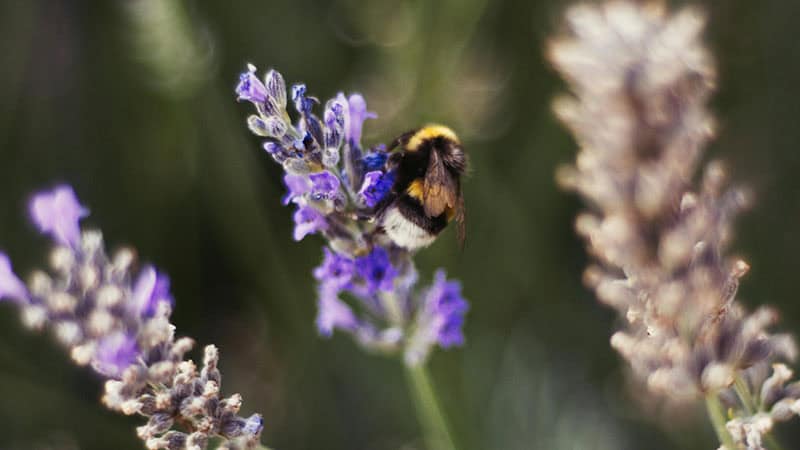
Over time, paying attention in this way helps people care more about certain places and species. It’s an example of how technology can help us reconnect with the environment. Apps can help users identify diverse plants and report data that feed into species monitoring and conservation. Spotting a stag beetle on a residential street or a seal swimming in the Thames provides important tracking information. Initiatives like the Bumblebee Conservation Trust’s volunteer Beewalkers build up a stronger picture of our species, and help provide insight into how to protect them. It’s a practical way of showing how digital tools build meaningful connections to nature.
Nature for mental and physical health
When used effectively, these tools spark curiosity and encourage people to spend more time outdoors. They connect people to local wildlife groups, volunteer events, guided walks, or simply make personal outdoor time more meaningful. Merlin, Seek, and other plant-ID apps bridge the gap between digital life and nature, helping a generation raised on screens rediscover the outdoors and support a return to slower, hands-on ways of enjoying nature. And as many studies show, being outside in nature is good for positive mental and physical health.


